Ancient humans from the Bronze Age used hallucinogenic drugs derived from plants, an analysis of 3000-year-old hair strands from a burial site in Menorca, Spain has revealed. The study describing the findings was recently published in the Scientific Reports. Hallucinogenic drugs may have been used in ancient Europe as part of ritualistic ceremonies.
The study marks the first direct evidence of ancient drug use in Europe.
Previously, evidence of prehistoric drug use in Europe was found, but it was based on indirect evidence such as the detection of opium alkaloids in Bronze Age containers, the appearance of drug plants in artistic depictions, and the finding of remains of drug plants in ritualistic contexts.
It is exceedingly rare to find human hair dated to late prehistory in the western Mediterranean.
Mysteries from the cult cave of Es Càrritx
Archaeological excavations conducted in the Bronze Age burial and cult cave of Es Càrritx in Menorca, or Balearic Islands, by a team of researchers led by Elisa Guerra-Doce, a professor of prehistory at the University of Valladolid, Spain, have unravelled some mysteries.
The human hair strands discovered were involved in a single funerary rite. According to the study authors, the finding offered the opportunity to explore the possible use of drug plants by Late Bronze Age people.
The Es Càrritx cave in Menorca was first occupied around 3,600 years ago, and contained a chamber used as a funeral space until around 2,800 years ago. Around 210 individuals were interred in this chamber, according to previous research. The study authors found that strands of hair from only certain individuals were dyed red, placed in wooden and horn containers decorated with concentric circles, and removed to a separate sealed chamber further back in the cave.
During much of the Bronze Age, the Es Càrritx cave, also known as the Cova des Càrritx, was used as a ritual and funerary space. Room 5, one of the most remote rooms in the cave, was discovered in 1995. The room is an enigmatic deposit made up of various wooden and horn containers full of locks of hair, a statement released by the University of Valladolid said.
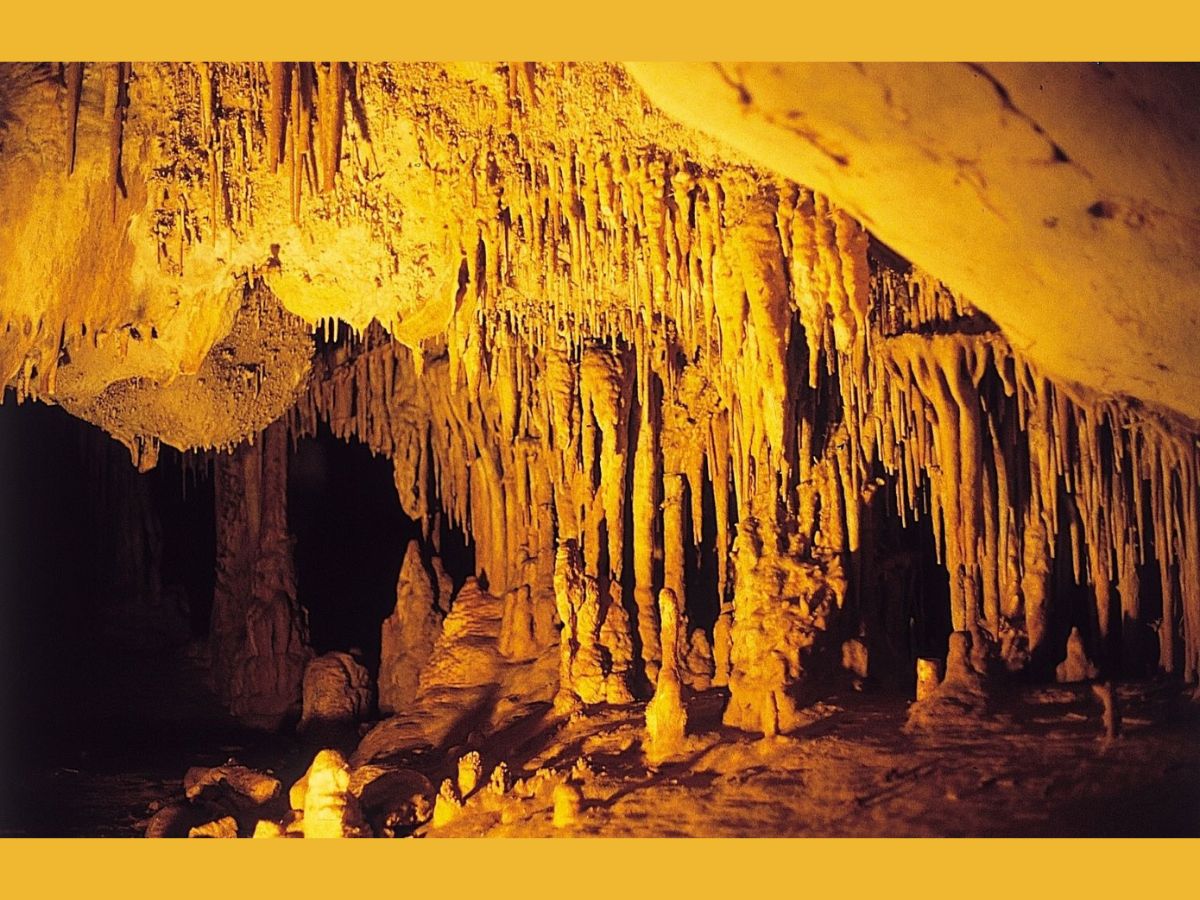
The hair strands came from some of the corpses buried in another room, called Room 1. The hair strands were combed during ritualistic ceremonies before being cut. The strands of hair had been cut into locks with lengths up to 13 centimetres, forensic examination has revealed.
What drugs did ancient humans consume?
The authors performed chemical analyses of a sample of human hair strands, and detected the alkaloids ephedrine, atropine, and scopolamine.
Both atropine and scopolamine are naturally found in the nightshade plant family, and can induce delirium, hallucinations and altered sensory perception, while ephedrine is a stimulant derived from certain species of shrubs and pines, and can increase excitement, alertness and physical activity.
According to the study, these alkaloids may have been present in the hair strands due to the consumption of some nightshade plants, such as mandrake or Mandragora autumnalis, henbane or Hyoscyamus albus, and thorn apple or Datura stramonium. Humans from the Bronze Age were also likely to have consumed joint pine or Ephedra fragilis.
Drugs were consumed by shamans before death
The findings indicate that the drugs were consumed before death, and may have been reserved for a small group of people, who played a role similar to that of shamans. Shamans are individuals capable of mediating between a community and the supernatural world.
What was special about the burial chamber
The authors suggested that the burial chamber called Room 1 was used to ensure that the people buried there could communicate directly with the supernatural world. Ancient humans began using Room 1 as a cemetery around 1450 BC.
More than 200 people were buried there over a period of 600 years, anthropological analysis of the skeletal remains has revealed. According to the University of Valladolid, no individuals below three months of age, or pregnant women were buried in the room.
What other artefacts were discovered?
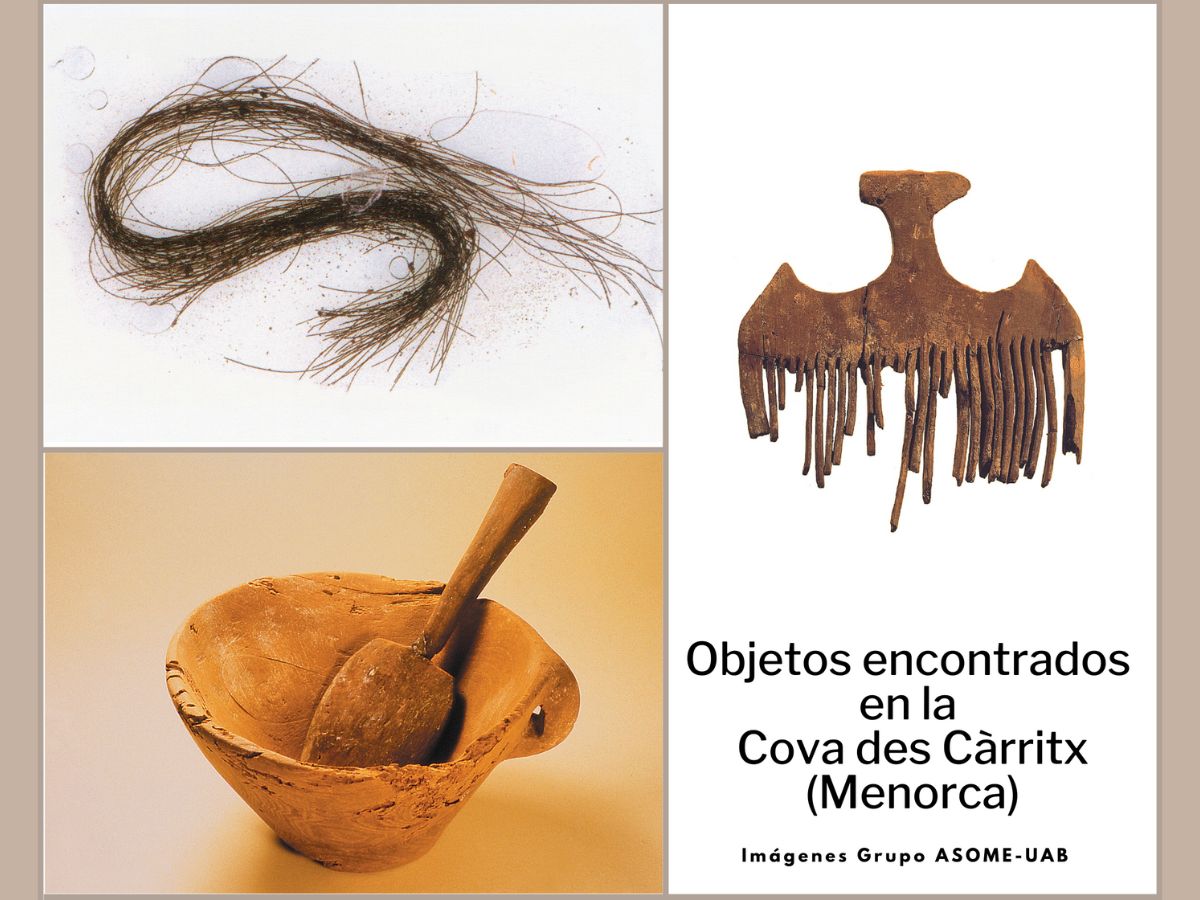
The authors also discovered glasses, spatulas, spoons and a comb in a hole inside the cave. All these objects were made of wood. Other artefacts found include two ceramic pots, a bronze blade, cylindrical containers, and various bone objects.
Why were the wooden containers decorated with circles?
The wooden containers were decorated with concentric circles probably to depict eyes and as a metaphor for inner vision associated with an altered state of consciousness induced by drugs.
Around 2,800 years ago, there were cultural changes, and to preserve the ancient traditions, ancient humans in Spain may have sealed the wooden containers in the cave chamber.
Therefore, the authors confirmed the use of different alkaloid-bearing plants by local communities of the western Mediterranean island more than 3,000 years ago.



:quality(70)/cloudfront-us-east-1.images.arcpublishing.com/tronc/D73E3JOEKI25MRTOQN3MQPUSIQ.jpg)