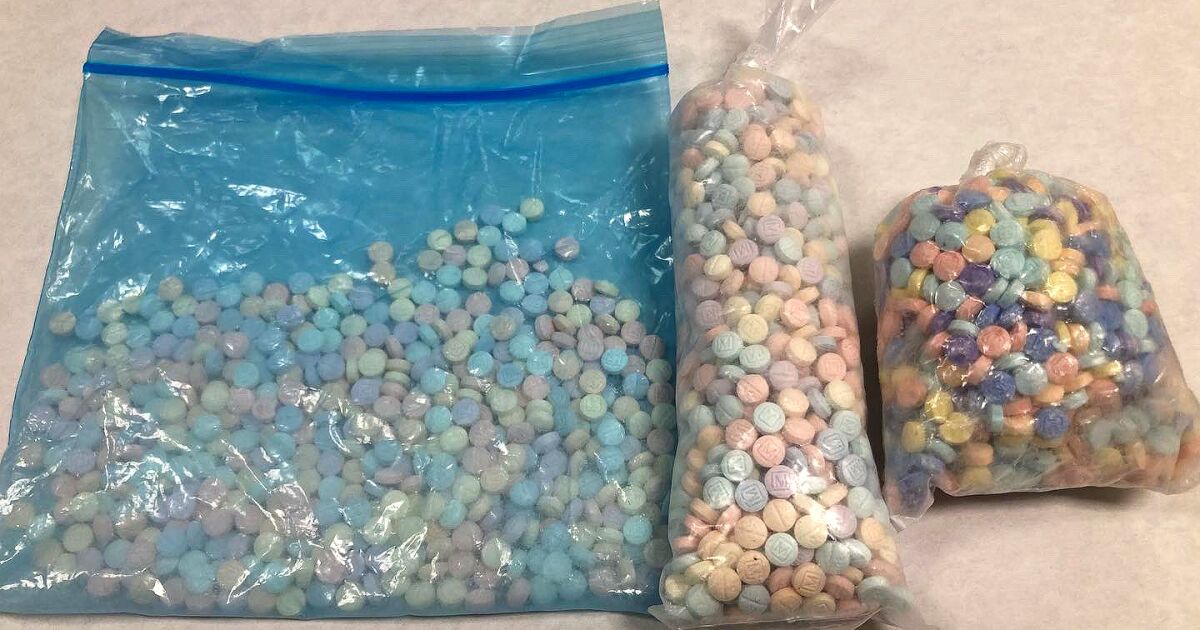
Fentanyl-related deaths among children increased more than 30-fold between 2013 and 2021, illustrating the opioid crisis’ unrelenting impact across the United States, according to a study by the Yale School of Medicine.
Between 1999 and 2021, 37.5% of all fatal pediatric opioid poisonings were caused by fentanyl, according to the study published Monday in the Journal of the American Medical Assn. The drug is now the primary agent noted in the pediatric opioid crisis, said Julie Gaither, the study’s author and an assistant professor of pediatrics and epidemiology at Yale.
The study tracked data for more than two decades of opioid deaths among people under 20 and found that 5,194 children and teens have died from fentanyl.
In 2021, nearly 70,000 U.S. adults fatally overdosed on fentanyl, the biggest spike in overdose deaths in the country’s history. That same year, there were 1,557 pediatric deaths from fentanyl, and 40 infants and 93 children between the ages of 1 and 4 died because of the opioid, according to the study.
“No child should be dying from an opioid,” Gaither said. “It is not just a crisis that is affecting the adult population. It is something that’s affecting everyone in this country, the most vulnerable, even infants.”
Using county data from the Centers for Disease Control and Prevention, Gaither found that in 1999, 5% of the 175 reported opioid deaths in children were from fentanyl. By 2021, it had increased to 94%, with 1,557 of the 1,657 opioid deaths attributed to the drug.
When the crisis ramped up in the late 1990s, prescription opioids were overprescribed and people developed substance use disorders. Since 2013, most fatal overdoses have been caused by illegally manufactured opioids, but the death data do not distinguish where or how the drugs were obtained, Gaither said.
“The problem is getting worse, and we haven’t addressed it,” Gaither said. “The measures we’ve used so far have not contained this crisis, and most of the measures do not target children specifically.”
Trends among teens mirror those seen in adult opioid misuse, according to the study. There was a nearly threefold increase in deaths among older adolescents between 2018 and 2021. Most deaths (89.6%) were among adolescents aged 15 to 19 years.
“I’ve talked to families, and they say it’s the first time the kid ever used a drug. They didn’t even know they were using fentanyl, and then they’re gone,” said Dr. Keith Humphreys, a professor of psychiatry and behavioral sciences at Stanford University.
But for young children, exposure usually happens at home, Gaither said.
“We’re almost three decades into this, and we have not done enough to teach families about how lethal these medications can be to a child,” she said. “We don’t stress enough how to store them and dispose of them.”
According to the study, 43.8% of deaths among people under 20 occurred at home. About 87.5% of those overdoses were unintentional, and benzodiazepines were found in 17.1% of cases.
Deaths peaked across all age groups in 2020 and 2021, exacerbated by the COVID-19 pandemic. Nearly half of all youth fatal overdoses occurred during the pandemic, according to the study.
“The COVID-19 pandemic was the worst possible disease that could have happened to make the addiction crisis in the U.S. worse,” Humphreys said. “The virus itself, the measures taken to fight it, and society shutting down created stressors.”
Gaither said safe storage and disposal of prescription medication is needed to prevent children from accessing opioids at home. Greater emphasis should be put on harm reduction, she said, including increasing access to the overdose reversal drug naloxone, also known as Narcan, in homes.
“By taking these protective measures and looking at how kids are affected by this crisis, we can do better to protect them,” Gaither said.