Imagine being a teenager burdened with the constant fear of an unplanned pregnancy and having to secretly visit the doctor between school and homework to get the birth control pill prescription that your parents bar you from.
This is the everyday reality for many young women in the U.S. today, including a teenage friend of mine.
As a 17-year-old in a conservative Asian household, she has not always been able to get the birth control medication that she needs because she could not afford to pay out of pocket. Eventually, it led to an unplanned pregnancy and subsequent abortion, a trauma that she was unable to share with her family for fear of retaliation from her abusive father.
Unfortunately, countless young women across America live in conservative households like my friend’s where open dialogue about sexual health is discouraged and doctor visits or insurance claims threaten to spill their secrets. Birth control pills, often crucial for young women’s reproductive autonomy, are kept frustratingly out of reach for them.
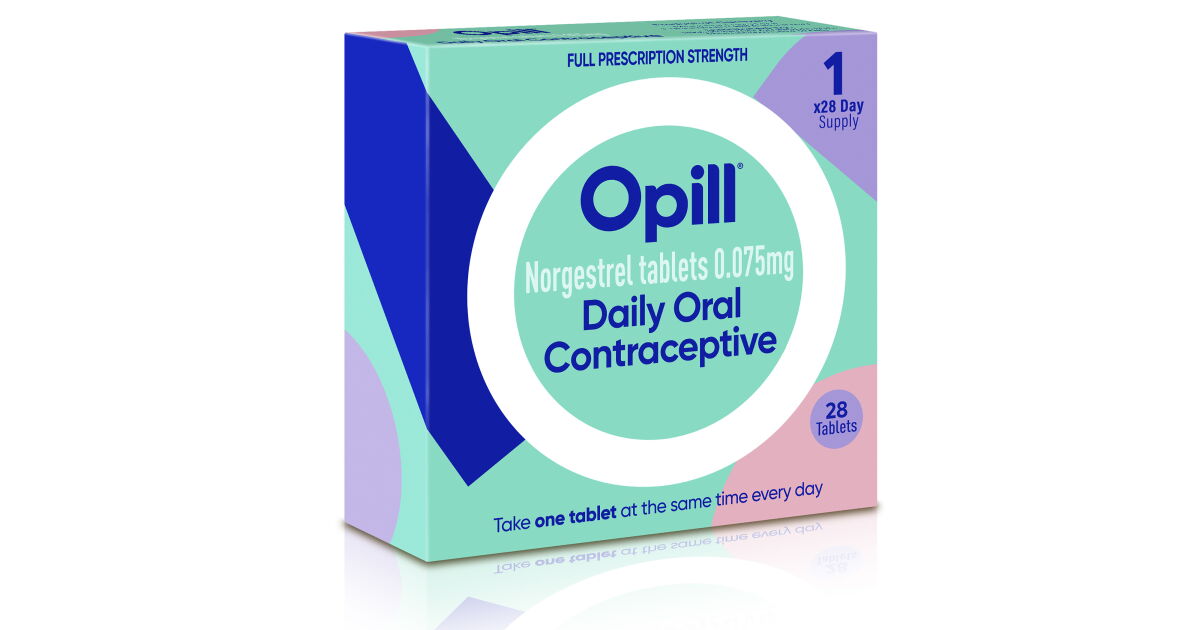
The recent Food and Drug Administration approval of the Opill, a progestin-only birth control pill and the first over-the-counter daily oral contraceptive, is a milestone for teenage girls. It allows them to purchase birth control without parental consent or a doctor’s prescription. However, the war isn’t won with availability alone; affordability is the second, equally important half of this battle.
While representatives from Perrigo, the manufacturer of Opill, have said they are committed to making the pill affordable, they have not announced a concrete price range. Opill would have to be significantly cheaper than current birth control options to be economically viable for young Americans. While prescription birth control pills can cost up to $50 a month, a 2018 study found that among those interested in purchasing over-the-counter progestin-only birth control pills, the mean maximum monthly amount that teens are willing to pay is $10 — beyond which interest in an over-the-counter pill declines steeply. For adults, the mean maximum cost is $15.
That said, the onus for making an affordable pill does not fall completely upon Perrigo. Legislative changes also need to be made to make an over-the-counter birth control pill affordable for all. For example, prescription birth control pills are covered under the Affordable Care Act, but once over-the-counter versions are available, they may not be covered by insurance. That seems irresponsible. Insurance providers should be required to cover all forms of birth control, even without a prescription. Or even better, the federal government could subsidize the cost of the birth control pill upfront — so that people without insurance can have access without having to pay out of pocket.
In the United Kingdom, a similar over-the-counter birth control pill is available for free under the National Health System, a health program funded through general taxation that covers all residents of the U.K. Spain also offers free birth control pills and subsidizes other forms of contraception. In France, since January 2022, the birth control pill has been cost-free for women between18 and 25.
As we anticipate the availability of Opill, we must advocate for policies ensuring that they are affordable for everyone too. The goal? A society where the right to control one’s reproductive health is universally accessible, not a privilege.