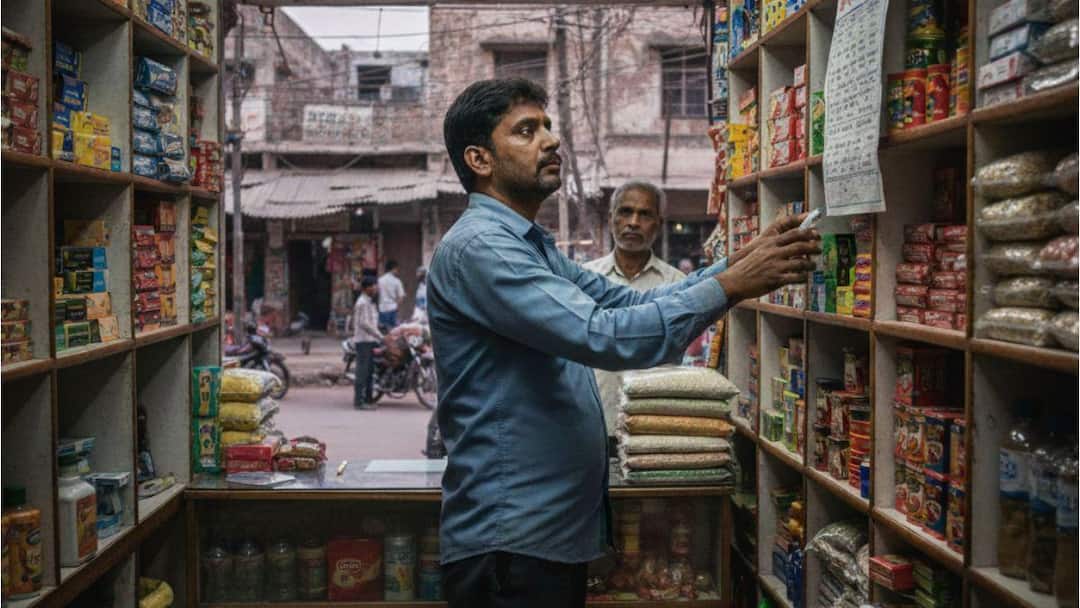
Focusing on ways to serve immigrants better and give them more of a voice on a host of economic and social issues, local legislators, academics and nonprofit leaders gathered last week at the fourth L.A. immigration summit.
The two-day summit at the California Endowment in downtown L.A. centered around the findings of the State of Immigrants in Los Angeles County 2023 report, which USC’s Equity Research Institute published last Tuesday. It was organized in partnership with the California Community Fund and the Council of Immigrant Inclusion, among other organizations.
The report found that the county has made historic investments in resources to immigrants, who now make up a sizable part of the county’s population. It also pinpointed areas of growth that lawmakers and organizations should address to continue the momentum.
L.A. Mayor Karen Bass attended the event, saying during the closing panel that her office intended to build out the office of immigrant affairs by focusing on language access, inclusivity and the city’s senior immigrants — areas of growth highlighted in the report.
“There’s a lot of other things that we need to do as well,” Bass said. “I’m surprised in terms of all that needs to be done, but I’m ready to do it.”
The immigrant population of L.A. County is 3.2 million, making up over one-third of the total population, and 7.1%, or more than 800,000 people, have undocumented status, SOILA found. The county’s immigrant population has remained above 30% since the 1990s, according to USC’s immigrant data portal, but has gone slightly down from 36% in 2000 to 34% in 2021.
Although immigrants exist among all ethnic and racial groups, the report found that Asian Americans and Latinos have the largest percentage of immigrants per group, with 57% and 43%, respectively.
In the report and at the summit, discussions highlighted the difference between Los Angeles’ expanding welcoming policies toward immigrants and those of states such as Florida and Texas, which have become more unfriendly, said Manuel Pastor, director of the USC Equity Research Institute.
“We’re trying to both lift up that contrast, but also encourage Los Angeles to continue to lead on these issues and think about where there are shortcomings as well,” Pastor said. “There’s a wide range of things that we can do to really demonstrate our leadership.”
Several shortcomings need to be addressed to ensure immigrant inclusion, the study found. Limited language and technology access are issues many immigrant households face: 28% of immigrants live in linguistically isolated households and 50% of immigrants without documentation don’t have access to high-speed internet or a computer.
Employment barriers, a lack of affordable housing and more attention to diverse immigrant communities such as LGBTQ+ and Indigenous groups are other factors that warrant addressing to ensure immigrants’ ability to thrive in the county, the study said.
To Pastor, the high number of immigrants in the county and their economic contributions, as evidenced by SOILA, make the issue of inclusion “everyone’s business.”
Immigrants made up 40% of the county’s workforce in 2021 and contributed $10.4 billion in state and local taxes in 2019, the study found.
“Our lives are touched by this,” Pastor said. “You may not be, you know, a member of the fifth of L.A. County that are either undocumented or have an undocumented family member, but you have to believe that one of those people is a friend of your kids at school, someone who provided you food at a restaurant or is someone who takes care of your elder or your children.”
Investments and community work over almost 20 years have started to create a stronger infrastructure of immigrant inclusion in L.A. County, said Rosie Arroyo, program officer of immigration for the nonprofit California Community Foundation.
Arroyo pointed to Represent LA, a program that has provided legal services to about 2,000 individuals in the county facing the threat of deportation The project, which is a public-private partnership between the city and county of Los Angeles, the California Community Foundation and the Weinberg Foundation, has raised over $40 million from a combination of philanthropy and government funds, she said.
“That is a huge win for our region,” Arroyo said. “And it’s so important because it demonstrates the power in the billions to advance more meaningful change in our community when we work across sectors, when we work together.”
Conversations at the L.A. immigration summit reflected these ongoing collaborations as well as an interest to further the scope of their work. Over 300 participants attended the event and participated in its many panels, which Arroyo said celebrated “our diversity, our culture, our experiences, and really working together and building community” and a way to identify opportunities “for how we can continue working together.”
Along with Bass and Antonia Hernández, president of the California Community Foundation, county Supervisor Hilda Solis participated in the summit’s closing panel and talked about the importance of County District 1 leading citizens by example. Solis noted that immigrants are sometimes reluctant to access government services for fear of repercussions and urged nonprofits and the county have to take that into account when developing solutions.
“We have to be flexible, and I think we have to do it through our actions and investments. So it also means you can’t just dictate it through a policy,” Solis said. “You have to influence it through cultural exchange, through funding and also involving community-based organizations. Because I don’t do this job alone. We do it in partnership.”