Effective pregnancy prevention is a cornerstone of reproductive autonomy. The development and approval of the first birth control pill and the 1965 Supreme Court decision protecting access to it, Griswold vs. Connecticut, were watershed moments for reproductive rights.
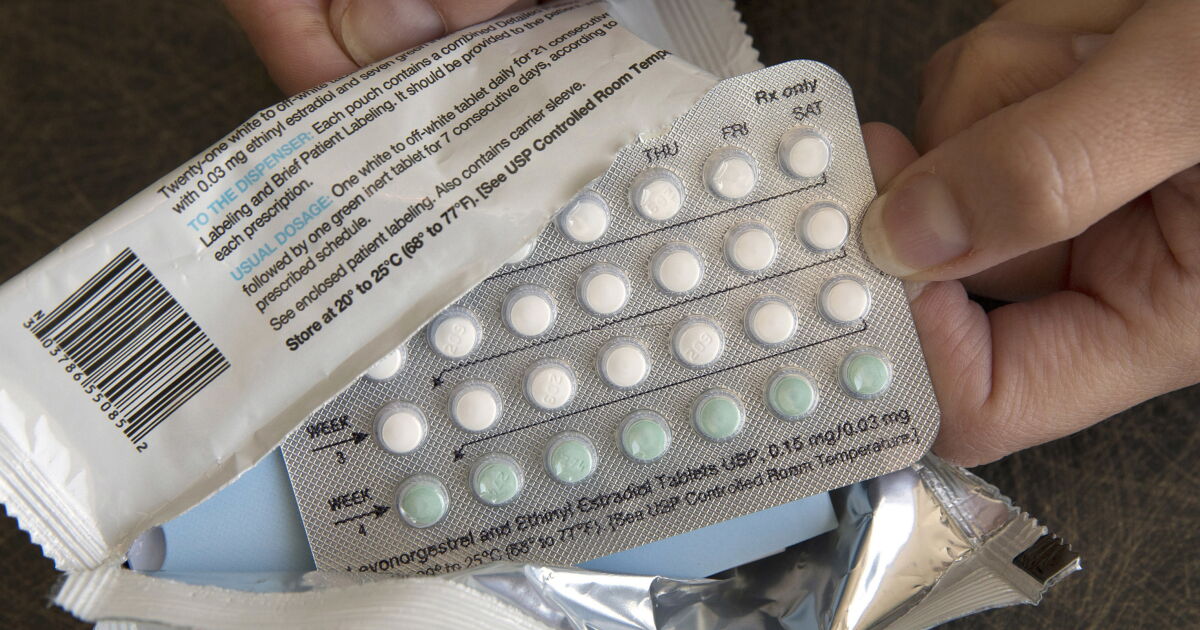
Last week, the Food and Drug Administration made the progesterone-based Opill (norgestrel) the first hormonal contraceptive approved for over-the-counter sale. Many advocates are celebrating the decision as another landmark triumph for reproductive rights. But in a country with countless obstacles to abortion access — including total or near-total abortion bans in 16 states — the advent of a nonprescription birth control pill is a hollow victory.
Why? Because pregnancy prevention is never perfect.
No contraceptive method is 100% effective, and the progesterone-based “minipill” — of which Opill is one formulation — is not the most reliable means available. That distinction belongs to the etonogestrel implant, which requires an in-office insertion procedure, with a pregnancy prevention rate of about 99.9% — even better than tubal ligation or vasectomy.
That’s right: Even surgical sterilization is not a guarantee against future pregnancy. I’ve performed abortions for women who have had their tubes tied and for women whose only partners had vasectomies. I had one pregnant patient whose husband had undergone vasectomy twice!
With “perfect use” — meaning the user takes the pill every day at the same time — the minipill’s efficacy is about 99%. But we know from years of real-world study that a more meaningful metric for contraceptive efficacy is “typical use,” which accounts for the fact that many users will make mistakes such as missing doses or failing to take their pills at the same time every day. The minipill’s “typical use” efficacy is closer to 91%.
This means that over the course of a year, 91 out of 100 women using the mini-pill for pregnancy will not get pregnant. At the risk of stating the obvious, the other nine women will become pregnant.
Provided over-the-counter birth control is reasonably priced, it will go a long way toward mitigating disparities in access for people who are uninsured or otherwise unable to easily or safely get to a doctor’s office. But framing over-the-counter birth control as somehow mitigating the disastrous effects of the Supreme Court’s reversal of abortion rights risks playing into the old, unhelpful argument that birth control is the solution to the abortion “problem” — that no woman should need to terminate a pregnancy in the age of widely available oral contraceptives.
This ignores the nine in 100 women who, despite taking the minipill, will typically become unintentionally pregnant within a year.
Prevention is no solution without a backup plan. When we tout easily accessible pregnancy prevention methods but fail to offer legal, available abortion, we are giving lip service to autonomy while setting women up for failure.
Imagine a city that offers free fire alarms to all residents but can only guarantee that 91% of them work. And now imagine that this city doesn’t have a fire department.
A woman’s ability to control her life trajectory depends on the options available when her birth control fails. Even with effective, affordable, over-the-counter birth control, women will wind up pregnant even though they don’t want to be and, in many states, be forced to give birth against their will. Once your house is on fire, your free fire alarm is beside the point.
Christine Henneberg is a physician practicing in California and the author of “Boundless: An Abortion Doctor Becomes a Mother.”